Open Tuesday to Saturday, from 10:00 am to 6:30 pm


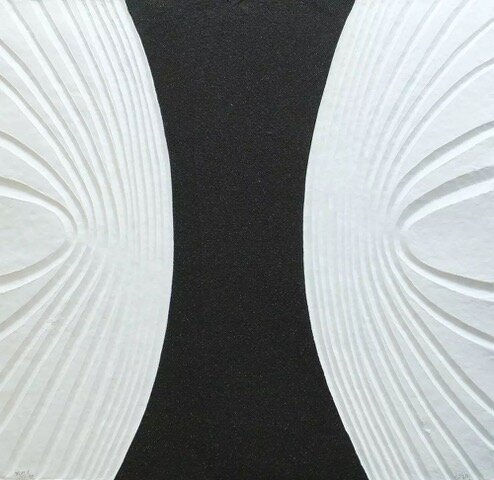
Ernest PIGNON-ERNEST - Regards, Rimbaud, 1986
€490.00
- Technical
Original print on art paper.
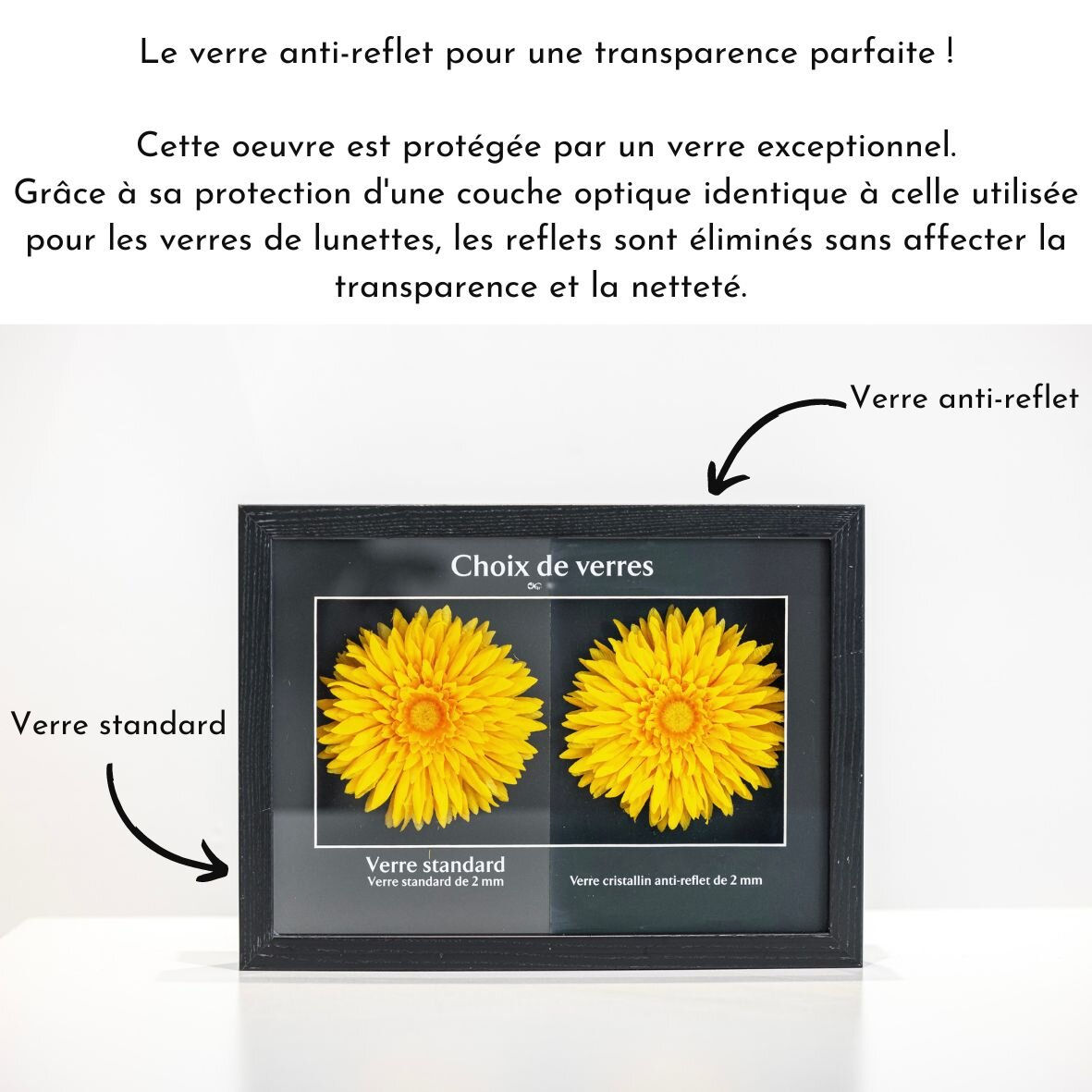
Hand-framed in our workshops, with anti-reflective “Claryl” protective glass.
Dimensions: 46 x 37 cm (excluding frame).
Artwork delivered with a certificate of authenticity.
- Artist biography
Ernest-Pignon Ernest, ambassador of urban art in France, was born in Nice in 1942.
He has since lived in Paris where he has spread his art in the streets of the capital. With his charcoal or black stone, he sketches life-size silhouettes in his studio on posters which he then pastes up.
Working with notched erasers of varying sizes, he refines the shadows, giving his portraits realism and depth. Like a night owl, it is only after twilight has fallen that he seeks out the walls on which he intends to create. Discretion and speed are the watchwords for his nocturnal wanderings. For Ernest Pignon-Ernest, choosing a location is not a matter of chance. The time spent reflecting on the space is as important as the final creation.
As a true instigator, he deciphers the environment, both in its architecture and its symbolic dimension. He must grasp the entirety of the territory and its heritage in order to master it. Once this is done, and only then, can he add his fictional element, imbued with meaning. In this way, he reveals the essence of the place to all and pays homage to it.
Alongside Daniel Buren and Gérard Zlotykamien, Ernest Pignon-Ernest has left his mark on art history as one of the founding fathers of street art in France. Since the 1980s, he has been deploying dreamlike and poetic imagery in alleyways and alleys, paving the way for generations of painters to follow. He has unwittingly established certain fundamental principles of urban art, such as the concept of ephemerality.
Ernest-Pignon Ernest creates silkscreen reproductions on thin, fragile papers, allowing them to evolve according to the vagaries of the elements they encounter. The works created in the street belong to him and are dependent on it. The drawings are destined to disappear over time or be covered over. The artist also places great importance on his artistic creations visually integrating into their context. His human figures create encounters with passersby, engaging them while simultaneously becoming part of the street.
Throughout his life, the artist championed major social causes and was involved both politically and artistically. In 1977, he was one of the founders of the National Union of Visual Artists and a member of the French Communist Party. His life and travels led him to witness scenes of horror.
He was first struck by the apocalyptic events that devastated Nagasaki, the imprint of which remains on the walls; he saw the shadows cast by the impact of the shock. Later, in South Africa, he witnessed the full extent of the ravages of AIDS, alongside his fight against apartheid. Ernest Pignon-Ernest manages to capture both the beauty and the horror of the world, sometimes within a single work. He draws out the essence of these two worlds to challenge and influence consciences with subtlety and sensitivity.
PAST EXHIBITIONS (SELECTION)
- 2014: “Ernest Pignon-Ernest and the Caravaggisti”, Vire Museum
- 2016: "Traces of a Journey: A Retrospective at the Mamac", Mamac, Nice
- 2017: "Those of Lived Poetry", Espace Jacques Villeglé, Saint-Gratien
- 2019: "Ecce homo", Palais des Papes, Avignon
- 2021: "Wall Paper", Grognard Workshop
- 2022: "Ecstasies", Notre-Dame Abbey Church, Bernay
Quantity
Accueil > Galerie d'art > Artiste > Nom de l'œuvre